Expertise
Real Estate & Construction
Support for property acquisitions, development projects, leases and construction relationships.
Overview
How we can help
Property decisions need a clear understanding of title, counterparties, permitted use, contractual obligations and project risks. A legal review can be structured around the transaction and the client’s intended use.
How we can help
From site control to delivery and occupation
Acquisitions and due diligence
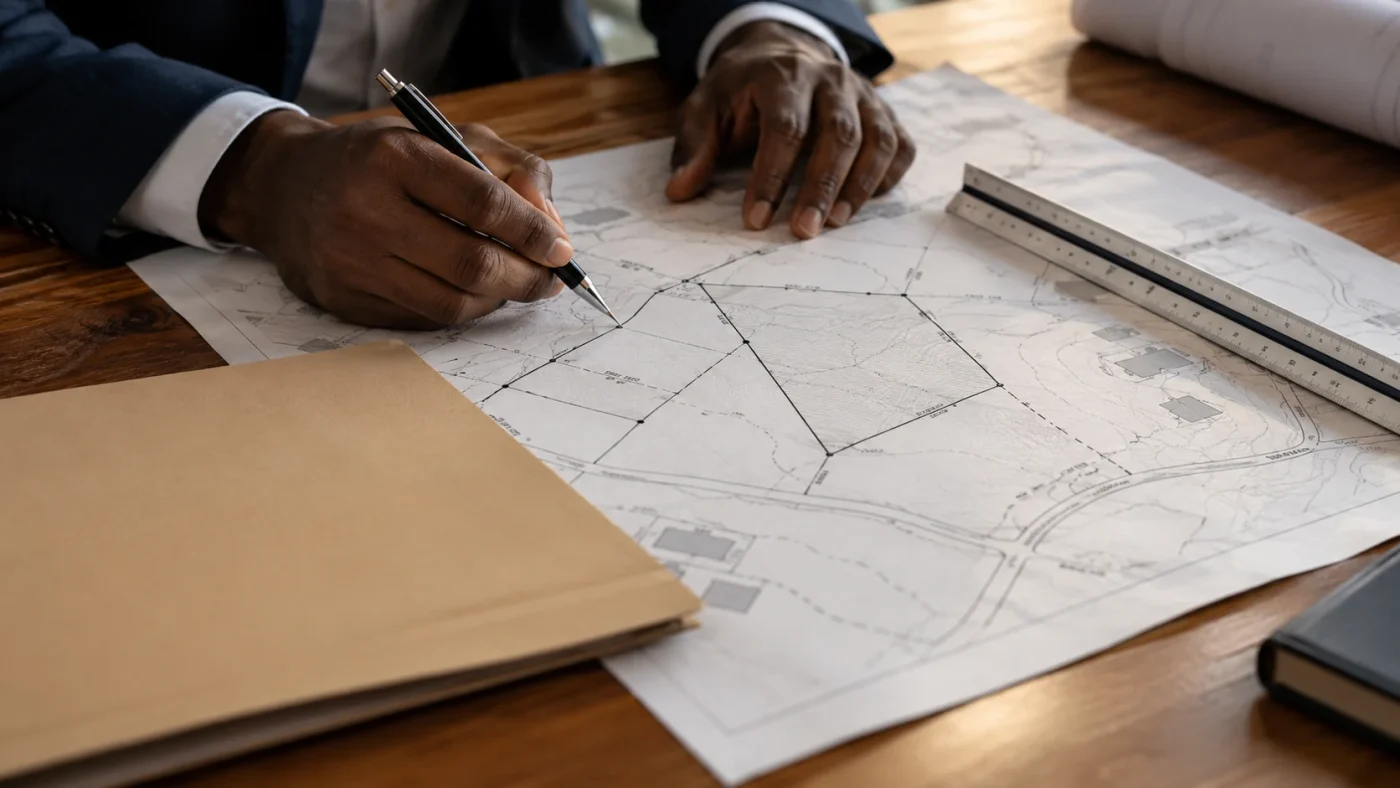
Define the title and document review, identify outstanding questions and coordinate relevant searches and professional input before commitment.
Development and construction
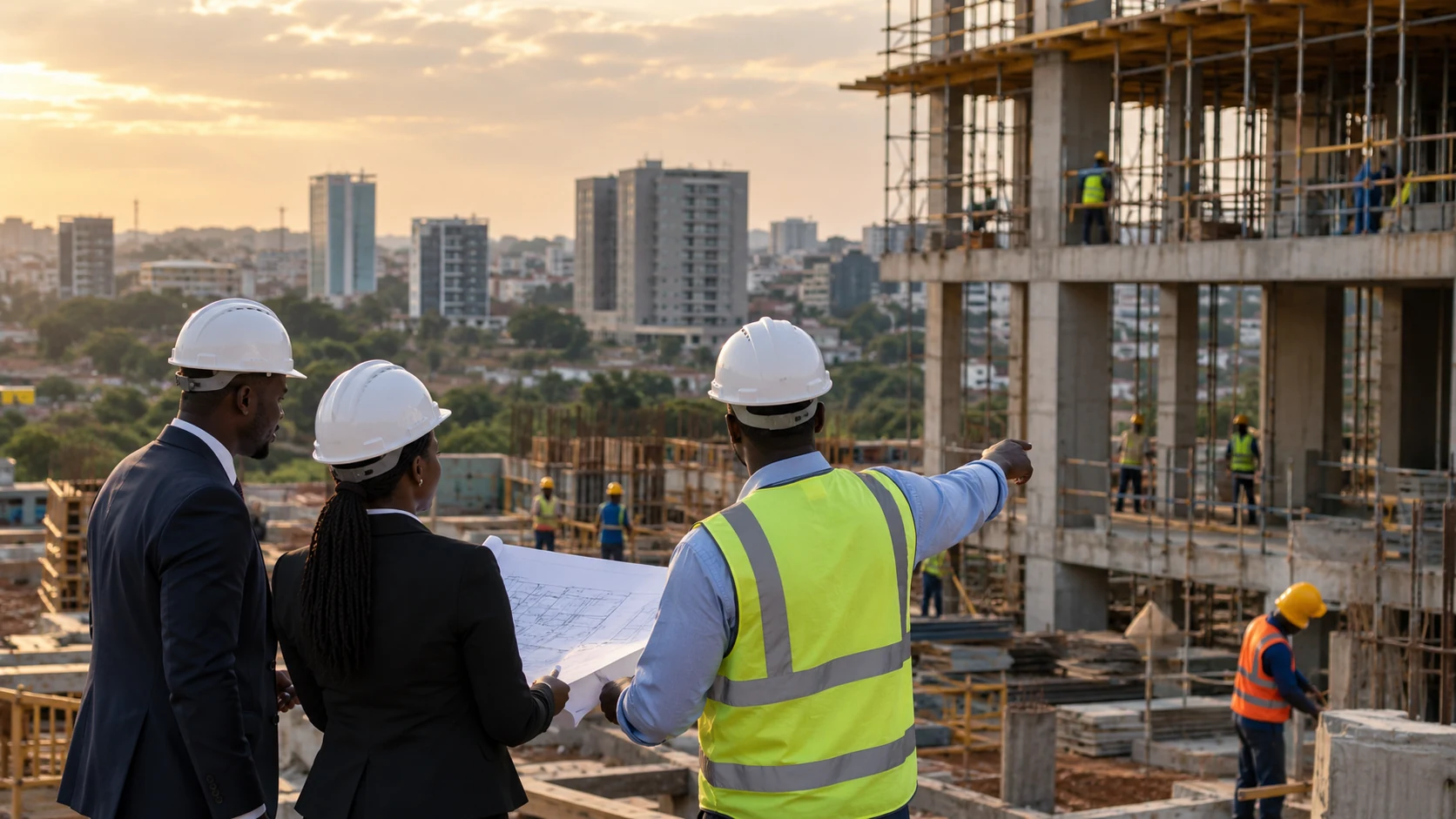
Review development arrangements, construction agreements, payment mechanisms and responsibility for variations, delay and defects.
Leasing and property disputes
Structure commercial lease terms and assess disputes involving possession, contractual performance or property interests, subject to the facts and applicable law.
Discuss your property, construction or infrastructure project
For Real Estate & Construction, identify the relevant jurisdiction, parties, current stage and any date requiring action. Acceptance of an engagement follows the firm’s checks and agreed terms.
Who we support
Advice for each stage of a property or infrastructure project.
Developers and landowners
Support with title review, project structuring, permits, development and disposal strategy.
Discuss this need ↗Investors and lenders
Legal due diligence, security review and transaction support for property-backed investments.
Discuss this need ↗Contractors and occupiers
Guidance on construction terms, leases, project delivery and emerging disputes.
Discuss this need ↗Frequently asked questions
Practical questions about real estate & construction.
When is the right time to seek advice on Real Estate & Construction?
Seek advice before acquiring land, committing funds, signing construction documents or changing project scope. This gives the legal review time to address from site control to delivery and occupation before options narrow.
What information will help with an initial Real Estate & Construction discussion?
For Real Estate & Construction, begin with title documents, plans, permits, contracts, financing terms and the project timetable. Keep the first real estate & construction message non-confidential and focused on the decision that needs to be made.
How will support for Real Estate & Construction be scoped?
The initial review will identify the relevant parties, jurisdiction, urgency and expected work product, then define a workstream focused on from site control to delivery and occupation.
Does an enquiry about Real Estate & Construction create a lawyer-client relationship?
No. Representation begins only after the firm completes its review, confirms acceptance and agrees the scope and terms of engagement.